Things to Do in Zakynthos (Zante)
A smuggler's shipwreck, impossible blue water, and turtles older than tourism
Top Things to Do in Zakynthos (Zante)
Find activities and tours you'll actually want to do. Book through our partners -- no booking fees.

Plan Your Trip
Essential guides for timing and budgeting
Climate Guide
Best times to visit based on weather and events
View guide →Day Trips
The best excursions and nearby destinations worth the journey
Explore day trips →Where to Stay
Best neighbourhoods, hotel picks, and booking tips
Find hotels →Travel Insurance
What's required, what coverage matters, and how to get a quote
Read guide →What to Pack
Climate-specific gear, essentials, and what to leave at home
See packing list →When Should You Visit Zakynthos (Zante)?
Tap a month for weather, crowds, and highlights
View full year-round climate guide →Explore Zakynthos (Zante)

Blue Caves
Landmark
Keri Cliffs And Lighthouse
Landmark
Museum Of Solomos And Eminent Zakynthians
Landmark

Navagio Beach Shipwreck Beach
Landmark
Venetian Castle Of Zakynthos Bohali Castle
Landmark
Argasi
District
Laganas
District
Tsilivi
District
Volimes
District
Zakynthos Town
District
Your Guide to Zakynthos (Zante)
About Zakynthos (Zante)
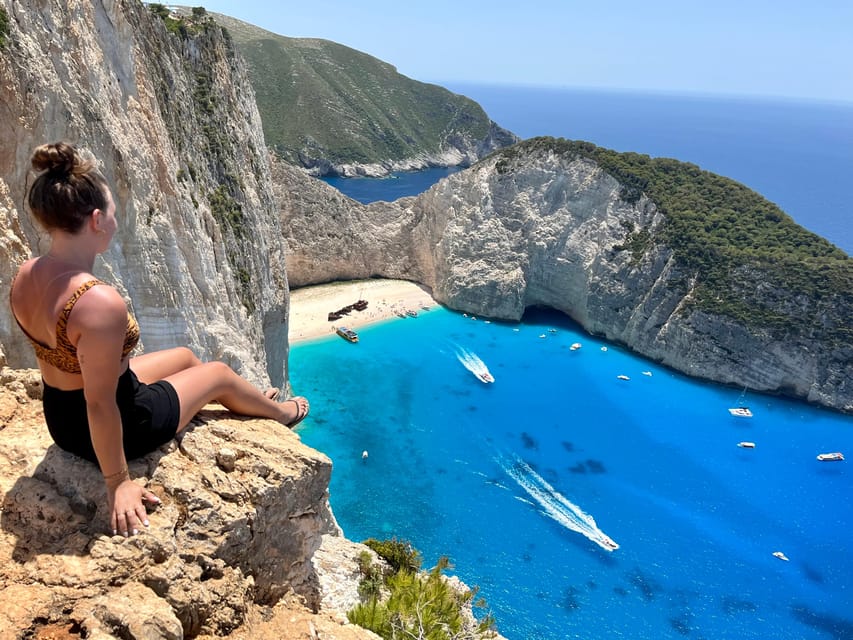
The water around Zakynthos is the kind of blue that looks photoshopped until you're standing in it. Not the deep navy of the open Aegean but something between turquoise and electric, lit from below by white limestone shelves that catch the Ionian sun and throw it back. Navagio Beach, the island's most photographed spot, earns its reputation: a crescent of white pebbles hemmed in by two-hundred-meter cliffs, with the rusted hull of a 1980s smuggling freighter half-buried in the sand like a prop someone forgot to remove.
You can only reach it by boat from Porto Vromi or Agios Nikolaos, and by late morning in summer the cove fills with tour boats stacked gunwale to gunwale. Come early or come in October, when you might have it nearly to yourself. Zakynthos Town, rebuilt in Venetian style after the 1953 earthquake leveled the original, sits along a harbor-front promenade where the evening volta, the slow after-dinner walk that Greeks treat as civic ritual, fills Solomos Square with families, stray cats, and the smell of grilled octopus drifting from the waterfront tavernas.
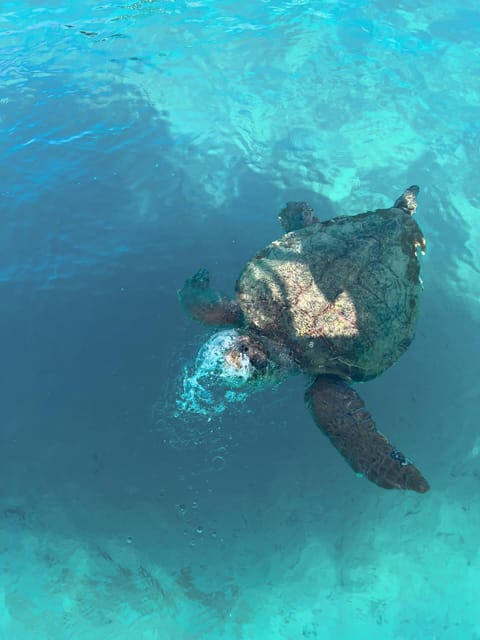
Up the hill in Bochali, the ruins of the Venetian fortress give you the whole harbor spread below, and the sunset from there is arguably the best free show in the Ionians. The south coast around Laganas is where endangered loggerhead sea turtles haul themselves ashore to nest between May and October, and it is also, somewhat awkwardly, where the package-holiday nightlife concentrates, a tension the island has never fully resolved.
Zakynthos rewards the traveler who rents a car and drives north past Volimes into the quieter villages, where the tourism thins out and the taverna owners still seem surprised when someone who isn't Greek walks in.
Travel Tips
Transportation: Zakynthos has a public bus network connecting the main resorts to Zakynthos Town. But the schedules thin out after September, and reaching the northern villages or the west coast viewpoints without your own wheels is somewhere between inconvenient and impossible. Rent a car. The island is small enough to cross in under an hour, and the roads, while narrow along the mountain spine, are well-paved and lightly trafficked outside Laganas. A compact rental in peak season costs roughly the same as a single guided boat tour, which makes it the obvious call. Scooters are tempting but the gravel shoulders and mountain curves catch out inexperienced riders every summer. Book through a local agency in Zakynthos Town rather than the airport counter, where the markup tends to be steep.
Money: Greece runs on euros, and Zakynthos is more card-friendly than you might expect for a small Ionian island. Most tavernas, hotels, and even some beach bars accept contactless payments, though the smaller family-run places in villages like Volimes or Keri still operate on cash only, and you should always carry some. ATMs cluster around Zakynthos Town's harbor area and the Laganas strip but they're sparse elsewhere, so withdraw before heading north or into the mountains. Tipping is appreciated but not obligatory, rounding up the bill or leaving a small extra amount at a taverna is the local custom, and nobody will chase you for more. Skip the currency exchange booths near the port. Any bank ATM gives a noticeably better rate.
Cultural Respect: Zakynthos is Greek Orthodox, and the churches scattered across the island are active places of worship, not museums. Cover your shoulders and knees before walking into Agios Dionysios, the patron saint's church on the Zakynthos Town waterfront, or any of the village chapels you'll pass on the road north. Between May and October, the beaches around Laganas Bay are nesting grounds for endangered loggerhead sea turtles, and the rules exist for a reason: no umbrellas planted in the sand after sunset, no flashlights or phone torches on the beach at night, no approaching nesting females. The National Marine Park monitors enforce these and fines are real. The turtles were here long before the resorts, and the locals who depend on both tourism and the nesting season take violations personally.
Food Safety: Greek island cooking is built on olive oil, grilled meat, and whatever came off the boat that morning, and Zakynthos follows the pattern with a few local signatures. Sartsa, a slow-braised rabbit or beef stew with tomatoes, garlic, and a sharp hit of ladotyri cheese grated over the top, is the island's own dish and worth ordering wherever you spot it on a handwritten menu. The tavernas along the Zakynthos Town waterfront charge a premium for the harbor view. Walk one block inland and the portions grow while the prices drop. Tap water in town is safe but tastes mineral-heavy, so most locals buy bottled. Fish priced by weight at beachside places can surprise you at the bill, always ask before the waiter takes your pick to the grill.
When to Visit
Zakynthos runs late April to October. The sweet spot depends on your trade-offs. July and August deliver the peak: 32 to 35 degrees Celsius (90 to 95 Fahrenheit), almost zero rain, and sea warm past midnight. These months also push accommodation prices to the ceiling. Laganas and Tsilivi beaches fill by mid-morning. The coast road chokes on traffic it was never built for. Traveling with kids? Book early. Steel yourself for crowds.
June and September are the wiser choice. June hovers around 28 degrees Celsius (82 Fahrenheit). The water is already comfortable. The peak rush has not arrived. Wildflowers still splash the hills above the west coast cliffs. Light at the Navagio viewpoint stays crisp for photos. September matches that warmth but feels drier.
From mid-month onward, accommodation prices slide. Turtle nesting season is tapering off yet still active. Laganas remains under the National Marine Park's watch.
May and October sit on the shoulders. May can throw a few rainy days at you. The sea still bites at 19 degrees Celsius (66 Fahrenheit). Hotel availability opens wide. Mountain villages feel untouched. You might have the Blue Caves boat tour almost to yourself. October is a roll of the dice. One week brings warm mid-twenties sunshine. The next week a grey front sweeps through. Seasonal tavernas and boat operators shut after the first week.
From November to March, Zakynthos closes for visitors. Flights shrink to a handful of domestic links. Most hotels lock their doors. The Killini ferry runs on a reduced timetable. The upside? The island sheds its tourist scaffolding. Zakynthos Town's year-round tavernas keep cooking. Vrachionas mountain trails glow green after autumn rain.
Orthodox Easter, whenever it lands, fills churches with candlelight processions. Families crowd the squares. This is the one off-season moment worth planning around.
More Ways to Experience Zakynthos (Zante)
Tours, day trips, and local experiences curated by on-the-ground operators.
Didn't see anything interesting yet?
Browse Viator's full catalog of tours, day trips, food experiences, and private guides in Zakynthos (Zante).
See All Zakynthos (Zante) Tours on Viator